Keljonlahti powerplant
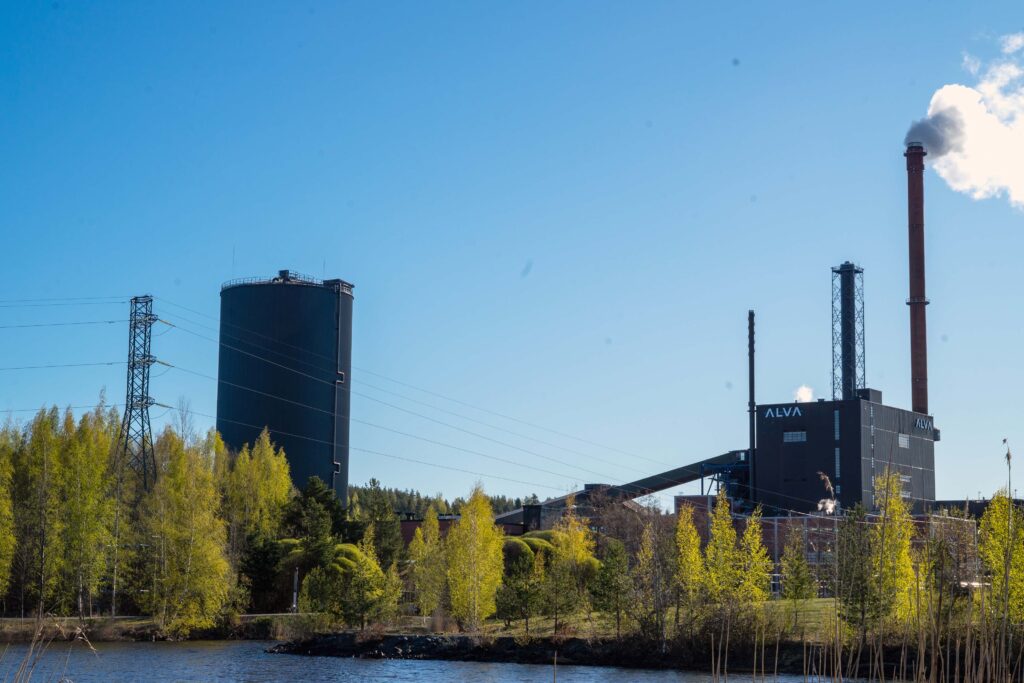
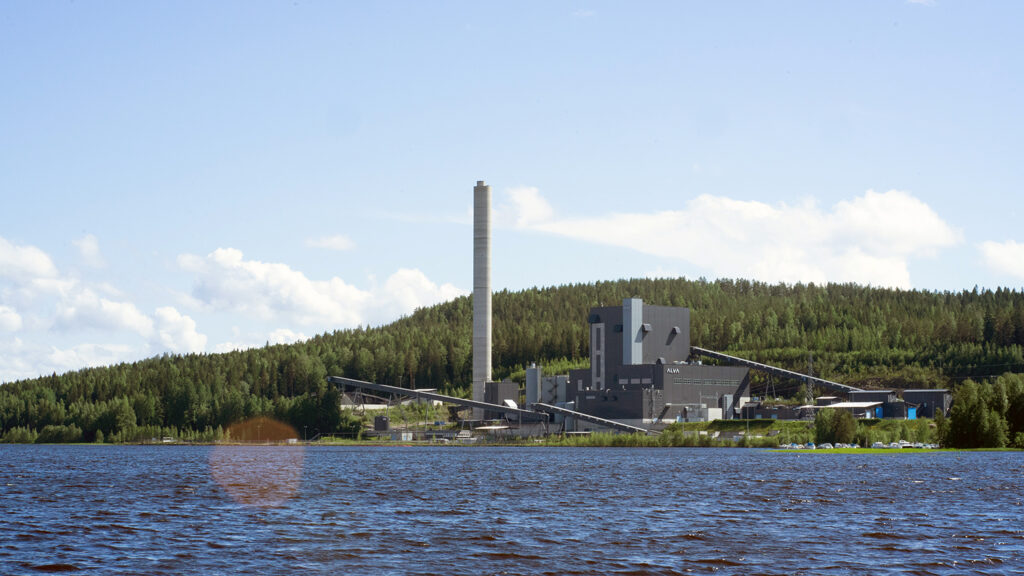
Completed in 2010, the Keljonlahti power plant is the larger of the two power plants in Jyväskylä. The plant can produce heat and electricity in combined heat and power production mode, generate only electricity in condensing mode, or produce only heat in reduction operation. Biofuels are the primary fuel source.
Technical modifications to enable the use of wood fuel alone will be completed in 2026. The Keljonlahti power plant meets strict environmental criteria well into the future. Flue gases are cleaned using, among other things, an electrostatic precipitator, and the heat contained in the flue gases is recovered and used to preheat the combustion air.
Rauhalahti powerplant
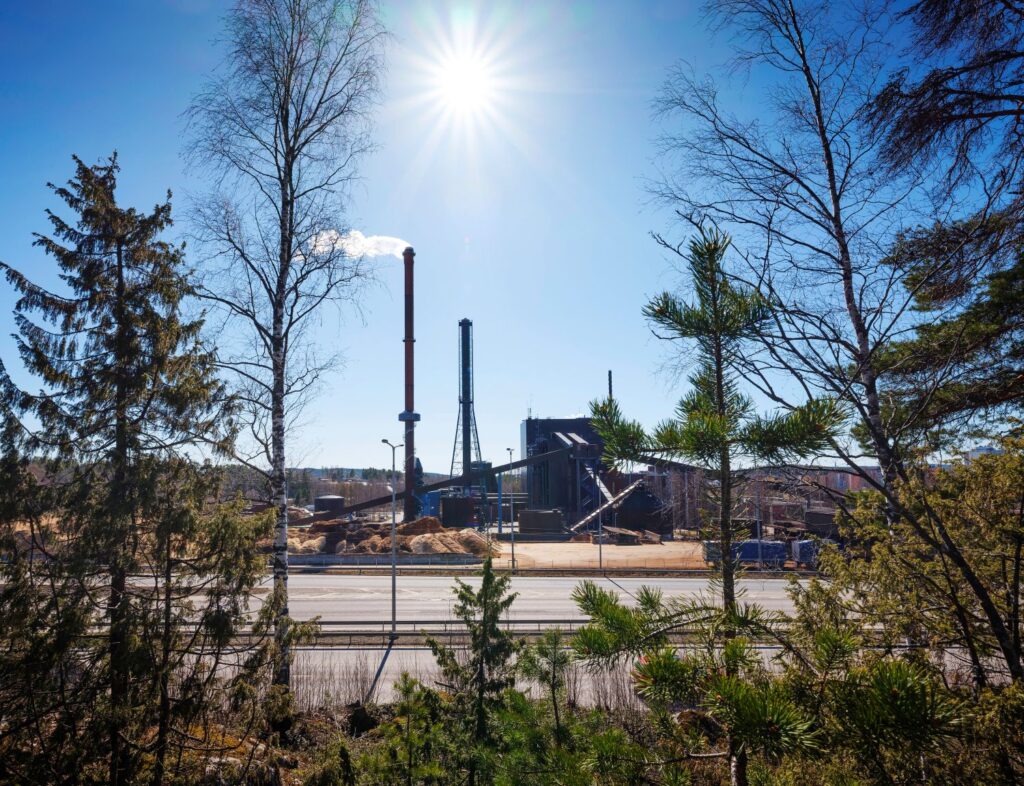
The Rauhalahti power plant, completed in 1986, is the older and smaller of the two power plants in Jyväskylä. It is a back-pressure power plant, meaning it produces electricity and heat in a cost-efficient combined heat and power process. Since the summer of 2022, Rauhalahti has operated entirely on wood-based fuels.
In the fall of 2015, renovation work in accordance with the Industrial Emissions Directive was completed at the Rauhalahti power plant. As a result of the renovation, emissions levels at the plant have decreased further, and the plant’s operational life was extended until 2030. The renovation included, for example, the replacement of the electrostatic precipitator and the installation of a flue gas scrubber, which recovers energy from the flue gases equivalent to the typical power needs of approximately 3,000 single-family homes.
Non-combustion
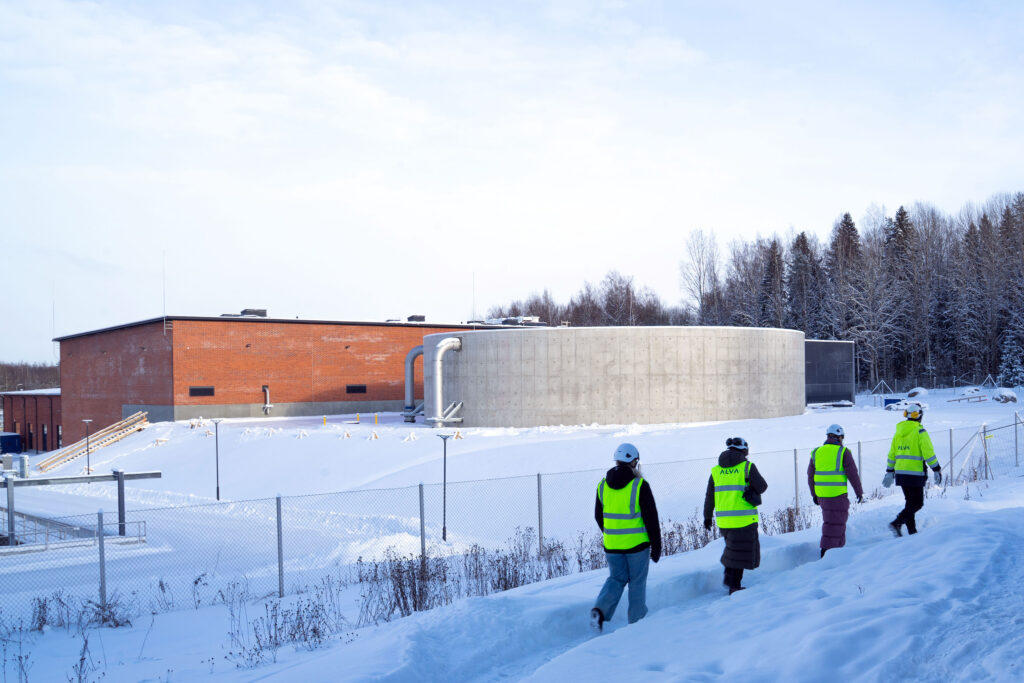
In Jyväskylä, district heating is increasingly produced without combustion. This “heat without flame” approach improves energy efficiency, increases flexibility in heat production, and significantly reduces emissions. Our new investments, the heat pump plant, electric boilers, and a district heating storage system, enable about half of the city’s annual heat production to be generated without burning fuels.
The heat pump plant is located in Nenäinniemi next to the wastewater treatment facility. It recovers thermal energy from treated wastewater and feeds it into the district heating network. This previously unused energy now covers roughly one-fifth of Jyväskylä’s annual heat demand and reduces the need for combustion-based production, cutting carbon dioxide emissions by tens of thousands of tonnes per year.
The district heating storage unit balances fluctuations in production and demand by storing excess heat for later use. It can be charged from multiple sources, including heat pumps, electric boilers, and power plants, ensuring efficient and flexible system operation. Electric boilers produce heat directly from electricity without combustion and are used to complement other production methods, especially during periods of rapidly changing heat demand or peak consumption.