Looking for these?
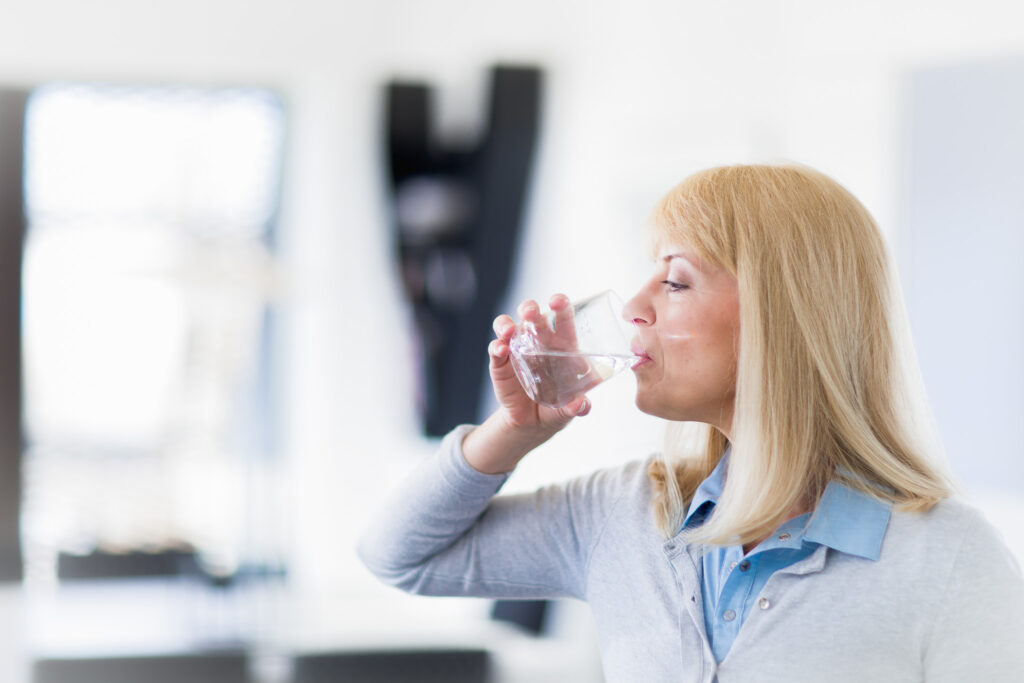
Naturally soft, high-quality drinking water
Drinking water in the Jyväskylä region is naturally soft and of excellent quality. It meets all regulatory requirements and is safe, clean and pleasant to use in everyday life. Thanks to its naturally low mineral content, there is no need for water-softening or limescale removal.
In Viitasaari, Alva supplies clean, safe and high-quality drinking water sourced from local groundwater. The water is carefully treated and continuously monitored in accordance with regulatory requirements, ensuring consistent quality and safety.
Responsible wastewater treatment
Responsible wastewater management is an essential part of the water cycle.
In Jyväskylä, wastewater collected through Alva’s sewer network is treated at facilities operated by our partner JS-Puhdistamo Oy. Wastewater from Jyväskylä, Laukaa, Uurainen and other water cooperatives is treated through a multi-stage process that removes solids, organic matter and nutrients such as phosphorus and nitrogen, ensuring that cleaned water can be safely returned to local waterways.
In Viitasaari, Alva is responsible for the collection and treatment of wastewater, covering the central urban area and Kymönkoski village. Wastewater from the region is treated at a biological and chemical treatment plant before being safely returned to local waters.
Sewer etiquette
What can be flushed down the drain?
The sewer network is designed for wastewater generated in households. It is not intended for waste, and nothing else should be flushed down the drain.
Only human waste and toilet paper belong in the toilet. Items such as cooking grease, food scraps, wipes, diapers, cigarette butts and other non-biodegradable materials must be disposed of separately, as they can cause blockages and serious operational problems in the sewer system.
By using the sewer system correctly, we can prevent blockages, avoid unpleasant environmental impacts and reduce unnecessary repair costs.
Prevent fat blockages in your sewer
Fat is one of the most common causes of blockages in household drains. Cooking oils and grease must never be poured down the drain, as they can solidify in pipes and cause serious blockages.
Instead, let fats cool and dispose of them correctly. Small amounts can be absorbed into paper and placed in biowaste, while larger quantities can be collected in a container (such as a carton) and then disposed of properly. Solidified cooking fats can also be placed in biowaste or composting systems where appropriate.
When handled correctly, used cooking fats can be safely recycled and costly blockages, unpleasant odours and environmental problems can be avoided.